A deep pot and coffee
If you own a stovetop-safe pot, spoon and cups, you can start now. Explore the route from almost free to your first dedicated brewer.
Read the beginner guide →THE TOOLS BEHIND YOUR NEXT CUP
Find a brewer that fits your routine, add the essentials, and start with a recipe. Use what you already own when it does the job.
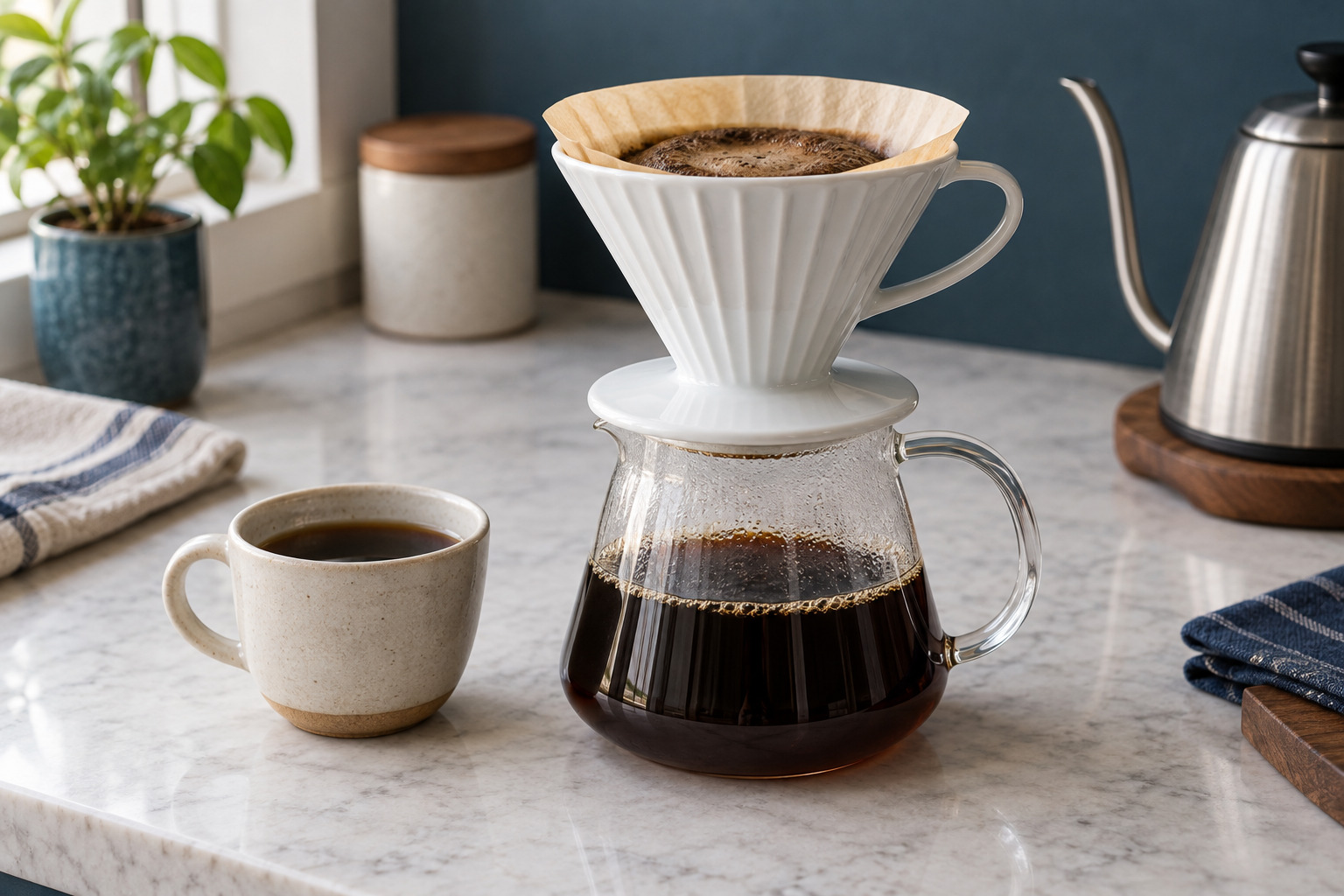
FROM A DEEP POT TO A FULL ESPRESSO SETUP
If you own a stovetop-safe pot, spoon and cups, you can start now. Explore the route from almost free to your first dedicated brewer.
Read the beginner guide →Compare control, workflow, grinders and upkeep before spending hundreds or thousands on equipment.
Read the advanced guide →Coffee brews directly in a roomy pot. Follow the recipe, let the grounds settle and pour slowly.
Open the pot-coffee recipe →READY TO EXPLORE ESPRESSO?
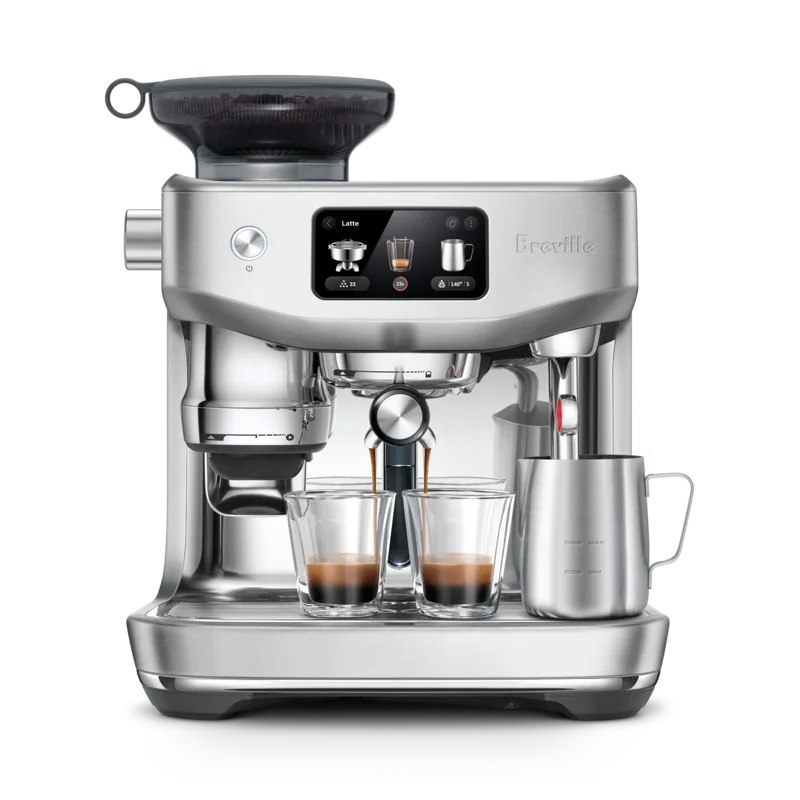
Compare hands-on, assisted and automatic machines. Understand what a premium price buys before spending hundreds or thousands.
CHOOSE BY WHAT YOU BREW
Specific models are starting points for comparison, researched from manufacturer information. We have not personally tested these products.
As an Amazon Associate I earn from qualifying purchases. Amazon buttons are paid links to search results, which may include other models and sponsored listings. Confirm the exact item, seller and current price on Amazon.
Shopping links are being prepared. You can use the guide without buying anything.
No equipment matches. Try another word or reset the filters.
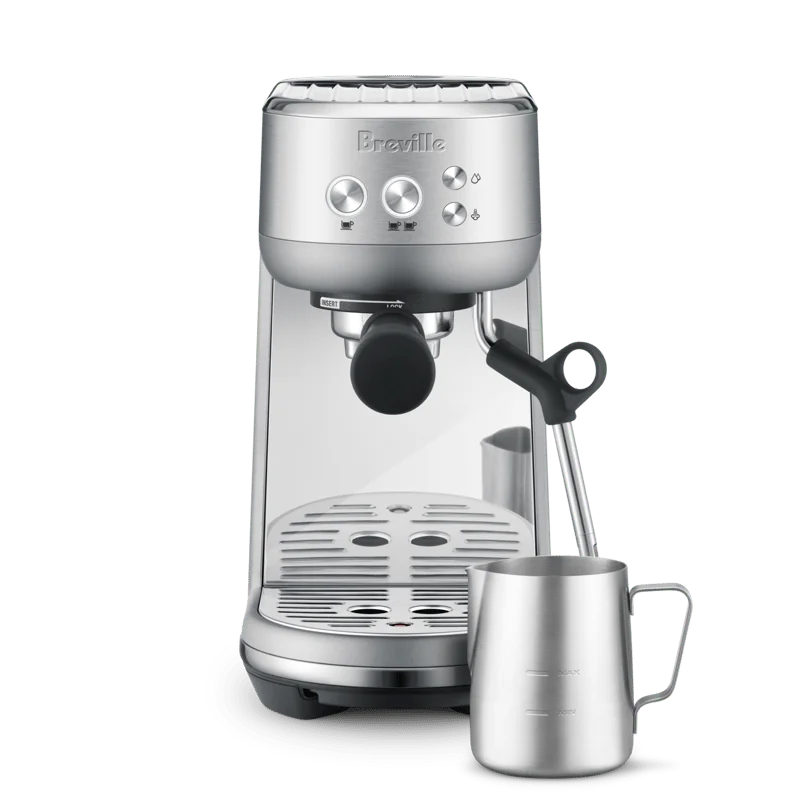
For learning espresso and manual milk steaming at home.
A compact machine with a 54 mm portafilter and manual steam wand.
Budget for an espresso-capable grinder. Check the local model, voltage and included accessories; the US listing includes a milk jug and tamper.
Manufacturer guidance ↗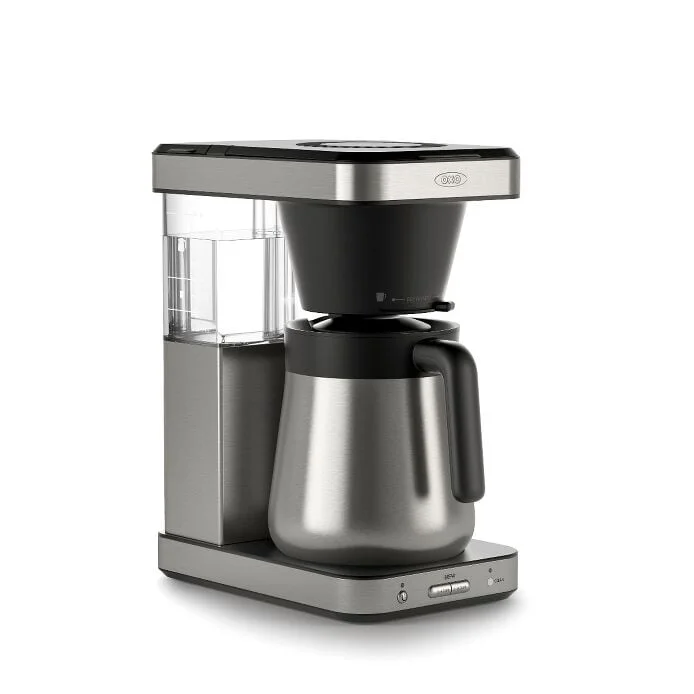
For an everyday mug or a shared pot of filter coffee.
Automatic drip brewing with single-cup and carafe options.
Check the exact model and carafe type. Match the basket and paper filters to its manual; a “cup” rating is not your mug size.
Manufacturer guidance ↗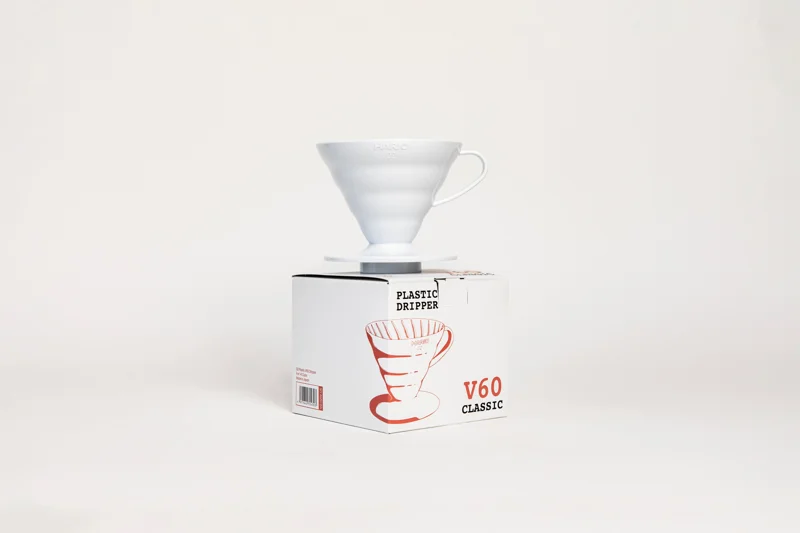
For hands-on pour-over brewing with a small setup.
A lightweight dripper that lets you control the pour.
Needs matching 02 filters, a suitable cup or server, hot water and a scale. Pouring takes practice.
Manufacturer guidance ↗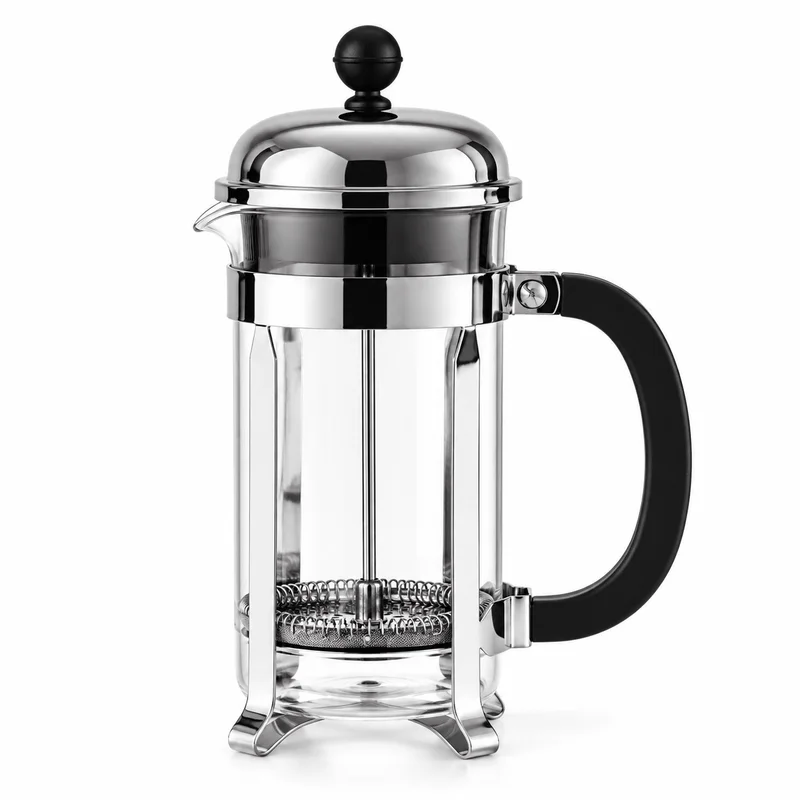
For immersion brewing and a fuller-bodied cup.
A reusable plunger filter avoids disposable paper filters.
Check capacity in millilitres, replacement-glass availability and cleaning instructions. Some fine sediment is normal for this method.
Manufacturer guidance ↗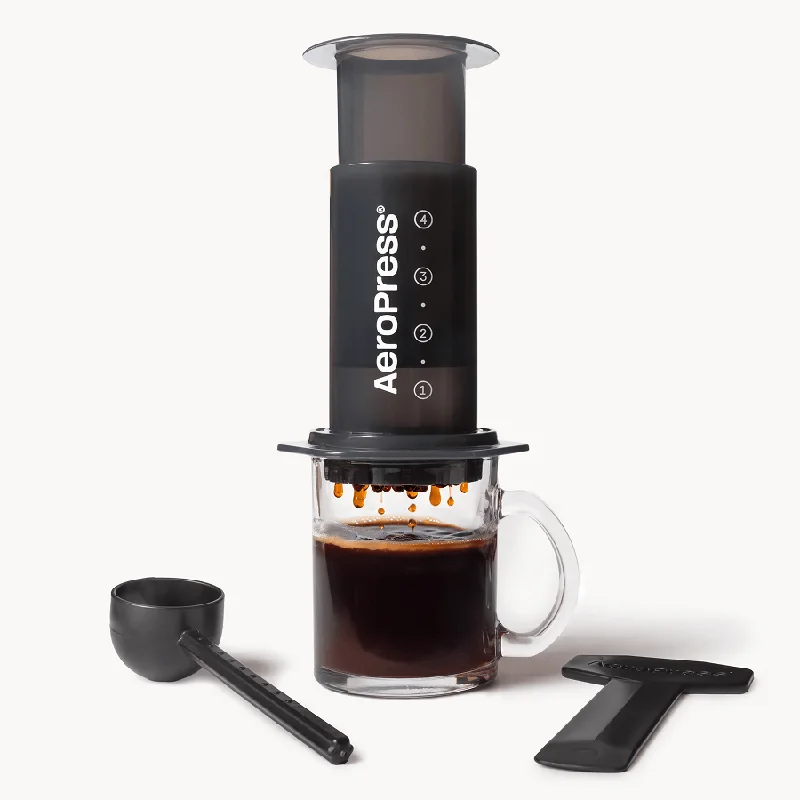
For a compact manual coffee setup.
Brews by steeping and pressing through a filter.
Use compatible standard-size filters and a sturdy mug. It does not replace an espresso machine for traditional espresso.
Manufacturer guidance ↗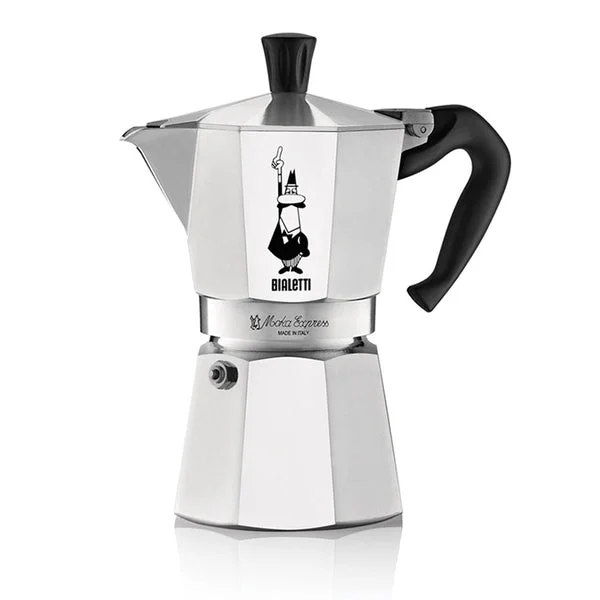
For concentrated stovetop coffee.
A traditional stovetop brewer for small servings.
The standard aluminium Moka Express is not directly compatible with induction. Choose a suitable model for your hob; its cup count means small servings.
Manufacturer guidance ↗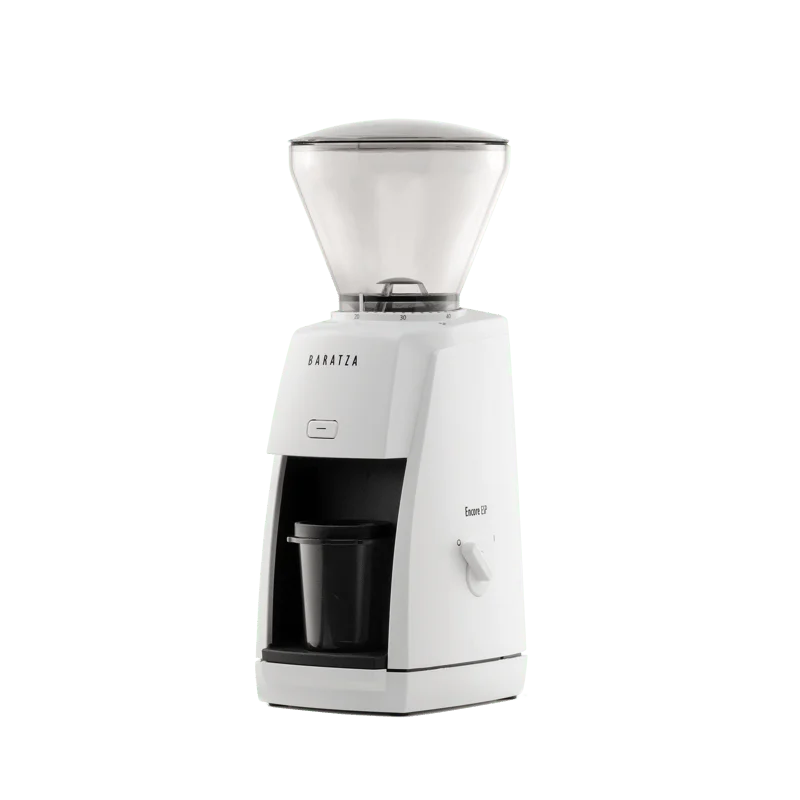
For someone brewing both espresso and filter coffee.
The original ESP has separate espresso and filter adjustment ranges.
Check you are comparing the ESP, not the regular Encore or ESP Pro. Brewing still needs dialing in; it is a separate countertop appliance.
Manufacturer guidance ↗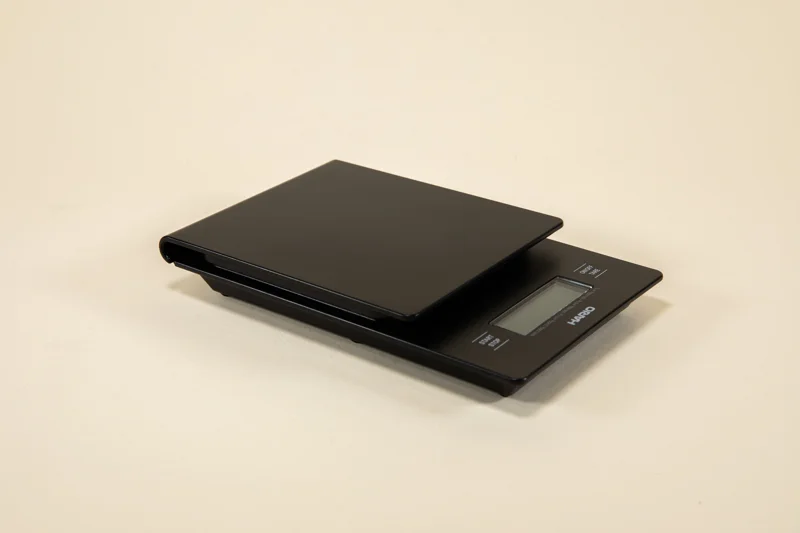
For repeatable doses and beverage quantities.
Look for readable gram measurements, tare and enough capacity for your brewer.
For espresso, check drip-tray fit and resolution across the working range. A timer is useful; your phone can also time a brew.
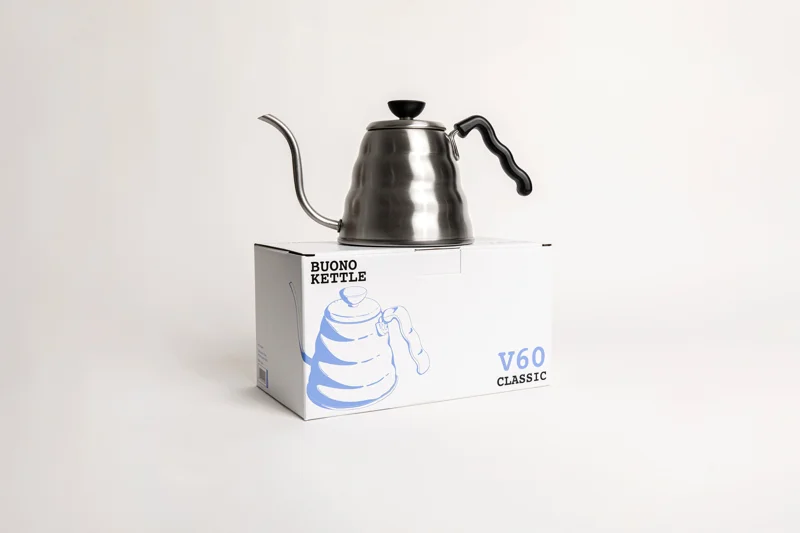
For a controlled stream when pouring by hand.
A comfortable handle and controllable spout help with repeated pours.
Check capacity, hob compatibility or local voltage. Temperature control is optional; use the recipe as your starting point.
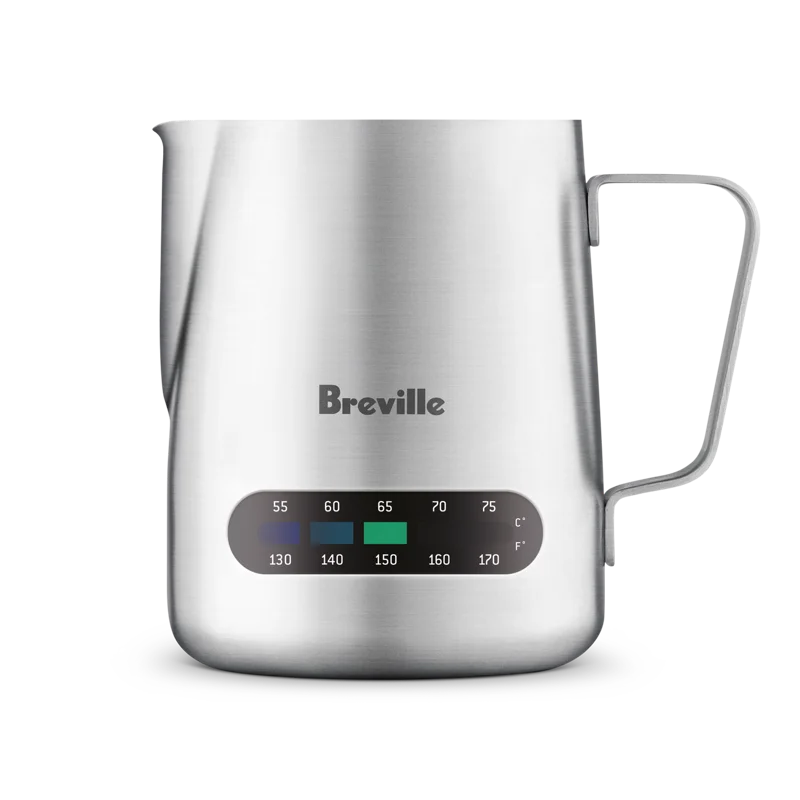
For practising milk texture and pouring.
Choose a comfortable jug with room for the milk to expand, plus a readable food thermometer.
Check what your machine already includes. A handheld frother makes a different texture from a steam wand.
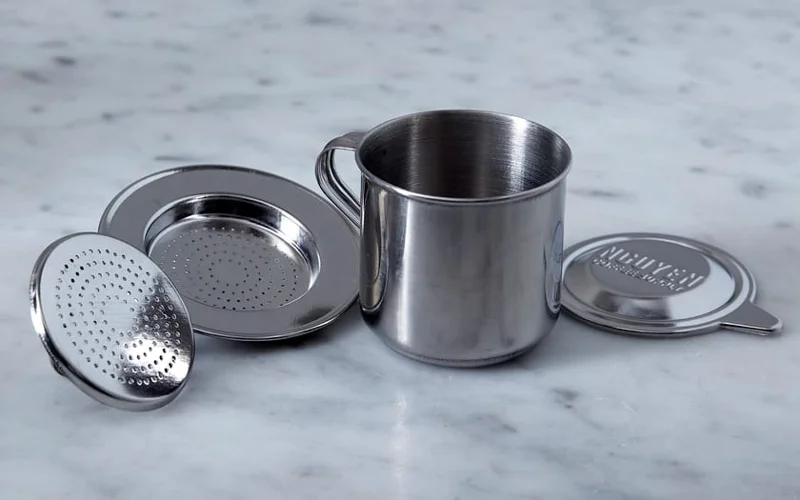
For exploring Vietnamese drip coffee.
A compact metal filter sits over the serving cup and brews slowly.
Match its capacity to the recipe and check how its insert fits. Follow the maker’s grind and filling guidance.
Manufacturer guidance ↗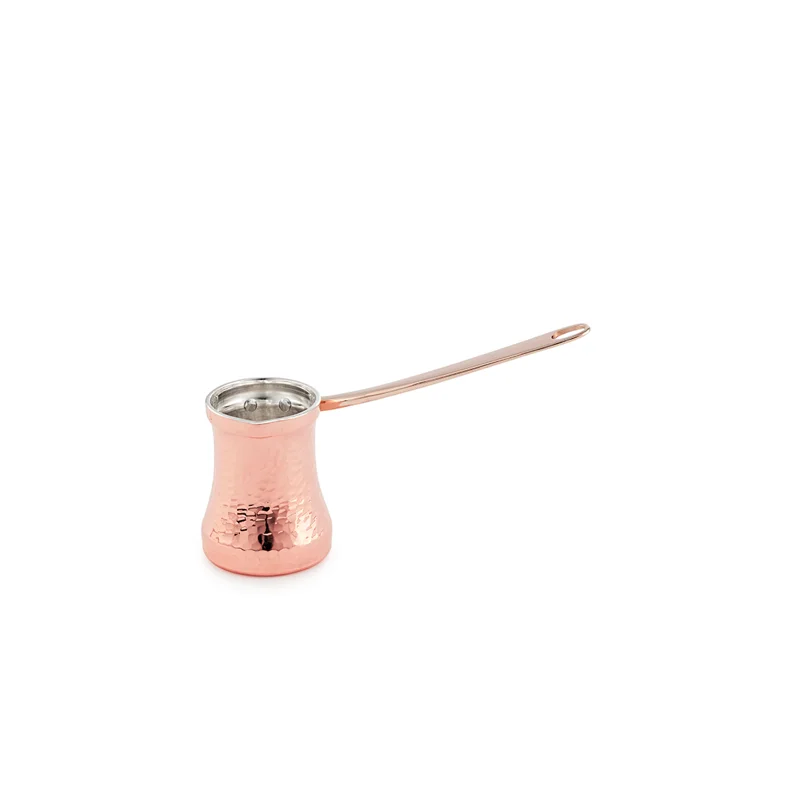
For finely ground, pot-brewed coffee.
A small long-handled pot suited to the amount you prepare.
Check food-contact materials, hob compatibility and handle clearance. The coffee needs a much finer grind than ordinary filter coffee.
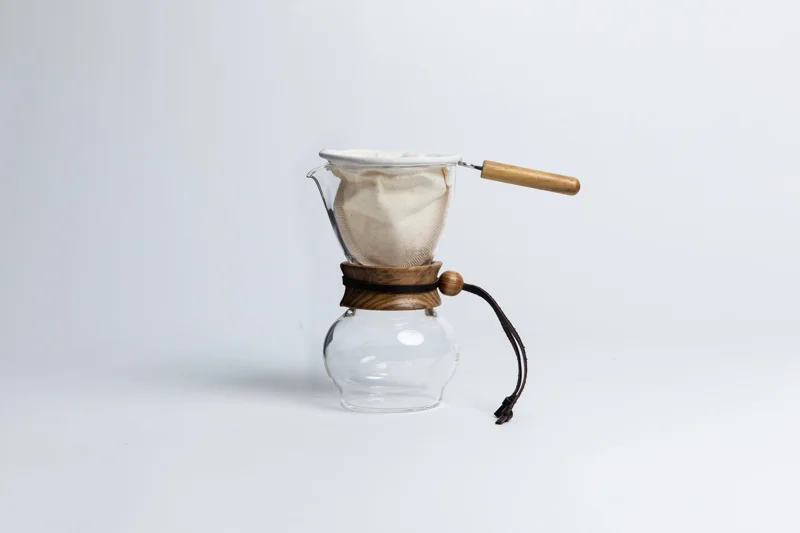
For cloth-filter traditions and reusable filtration.
Choose a food-grade coffee filter and a stable holder for the brewing vessel.
Follow the maker’s washing, drying and replacement instructions. Fit and upkeep matter more than decorative styling.
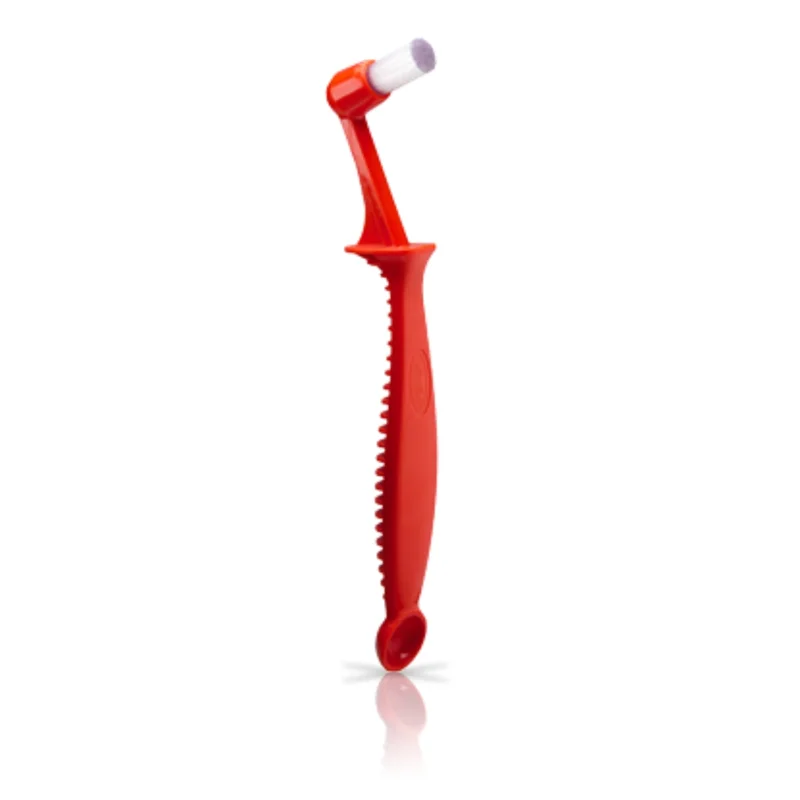
For keeping the setup you already own in working order.
Start with the cleaner, descaler, brushes and filters specified for your equipment.
Search using your exact machine model. Descaling and coffee-oil cleaning are different jobs; not every machine allows backflushing.
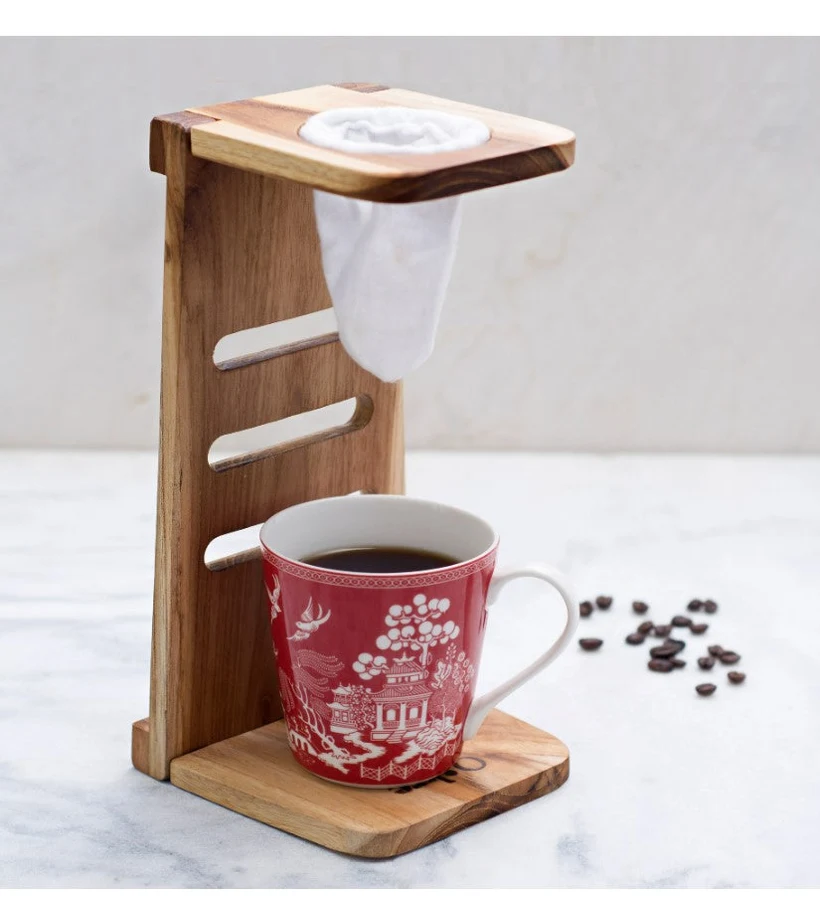
A traditional cloth-filter stand for a relaxed morning brew.
A suspended cloth bag holds the grounds while you pour hot water through them into a cup or server below. The open wooden stand makes the brewing process easy to see.
Check the stand’s stability, cup clearance and included bag size. Choose filters intended for coffee and follow their washing and storage instructions.
Costa Rica tourism guide ↗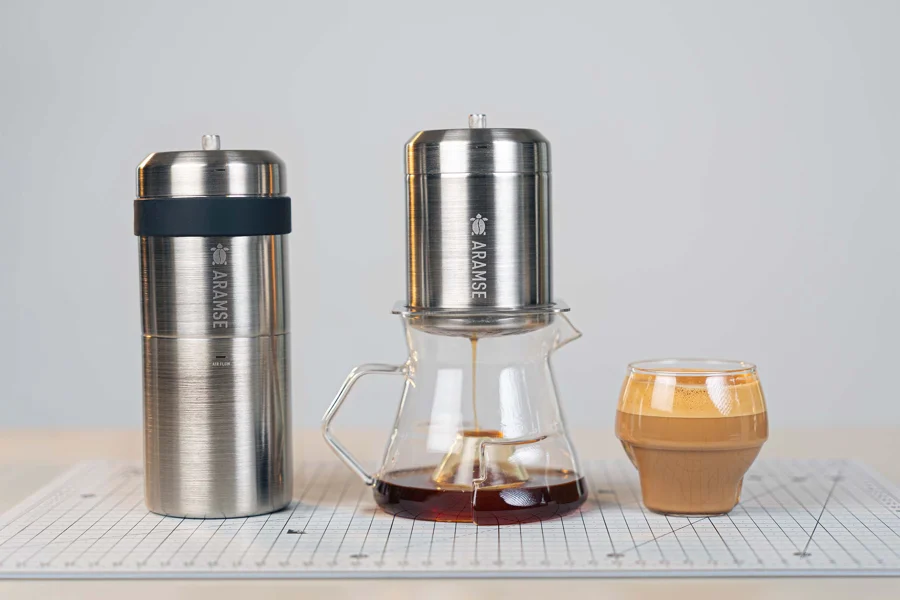
For rich filter kaapi and coffee concentrate.
This compact metal brewer lets coffee drain from a perforated upper chamber into a collecting chamber below. Traditional filters and modern interpretations such as Aramse SOFI offer a different route to concentrated coffee for milk drinks.
Check the usable capacity, perforation design and included parts. Traditional filters vary; use instructions for the model you buy. The Amazon search covers the category, not a guaranteed SOFI listing.
Aramse brewer guidance ↗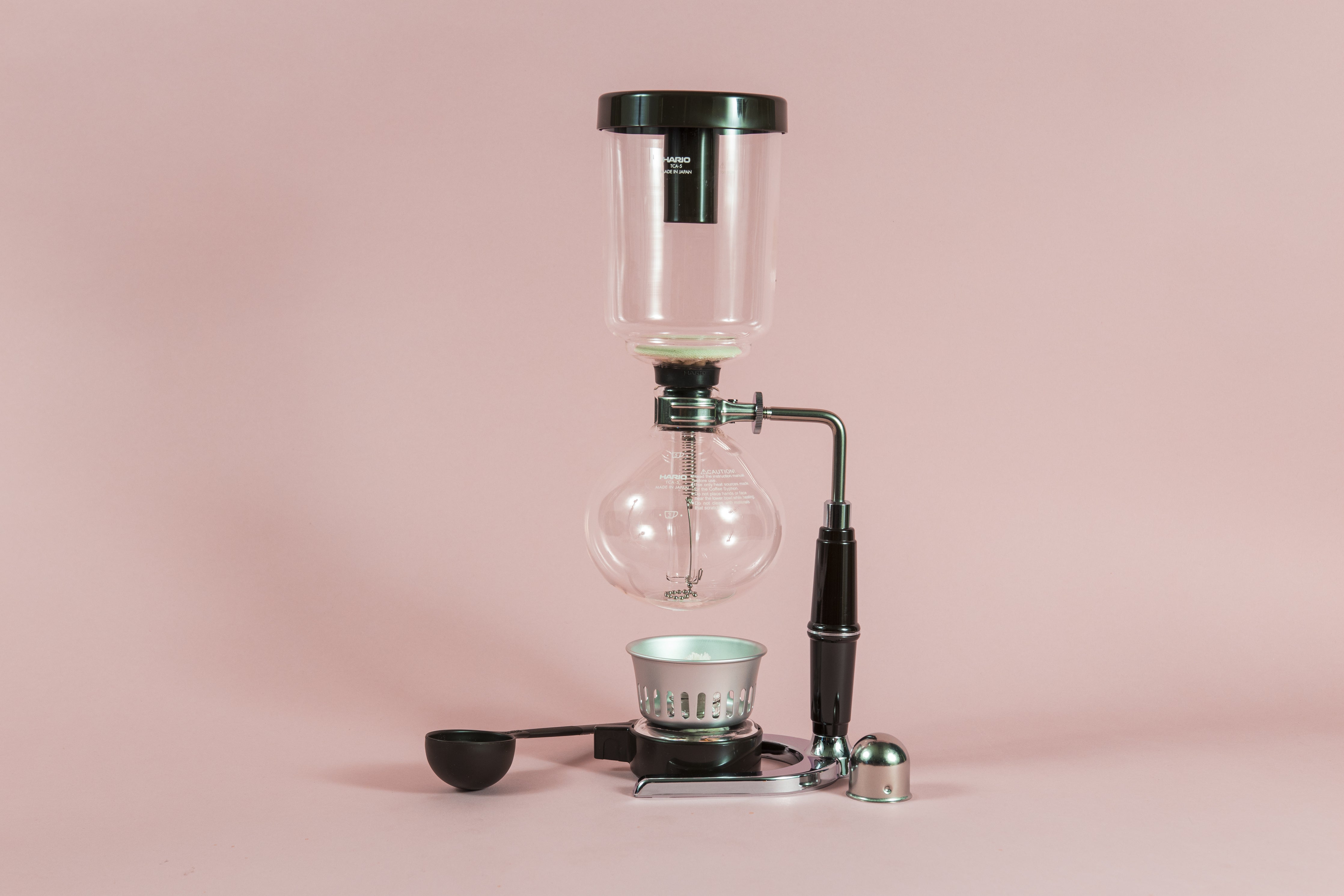
For people who enjoy watching the whole brew unfold.
Heat moves water from the lower glass bowl into the upper brewing chamber. Remove the heat and the brewed coffee filters back down. HARIO Technica is one example of this striking two-chamber design.
Compare capacity, compatible heat sources, included burner and filter type. Allow room for the stand and hot glass, and check replacement-bowl availability. Follow the manufacturer’s heating instructions.
HARIO brewer guidance ↗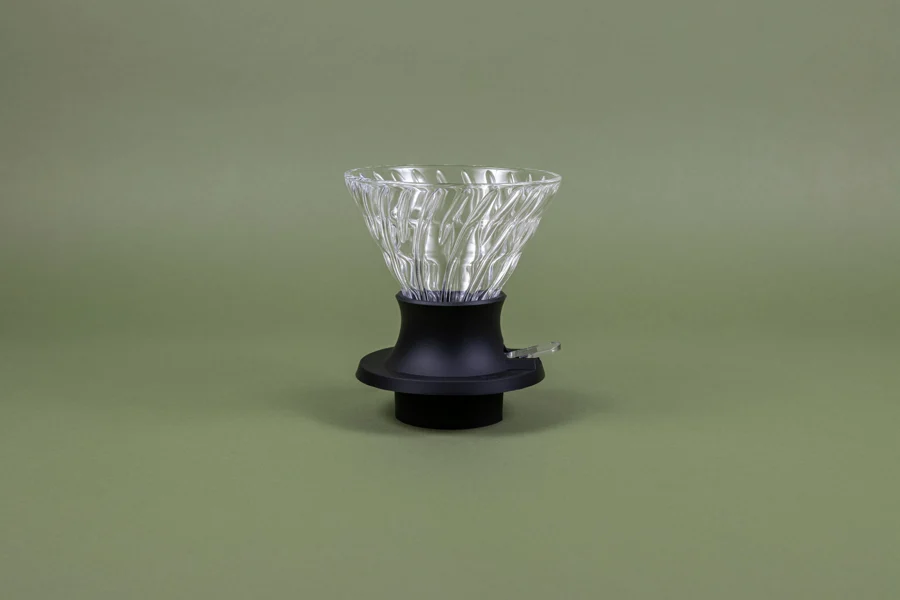
For experimenting with steeping and pour-over in one brewer.
A valve holds the brewing water in the dripper until you release it. A HARIO Switch lets you explore immersion, drawdown and combinations of the two without moving to a large machine.
Match the paper filter and server to the exact size. Check the valve’s cleaning instructions and the capacity with the switch closed; it may differ from a normal pour-over batch.
HARIO brewer guidance ↗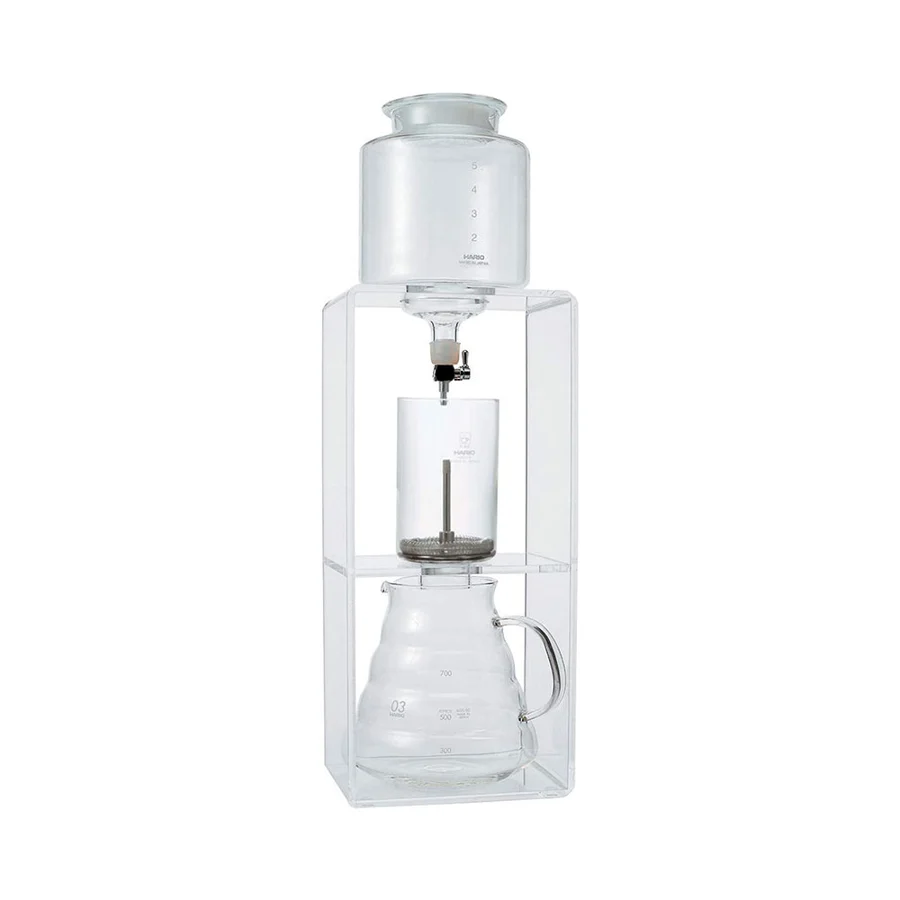
For a slow, visible alternative to steeping cold brew in a jar.
An upper reservoir meters water through the coffee bed into a server below. Brewers such as HARIO Clear turn cold extraction into a drip-by-drip process rather than full immersion.
Measure the tower’s height and counter space. Compare flow adjustment, filter requirements, cleaning access and replacement glass. Follow the model’s brew and storage guidance.
HARIO brewer guidance ↗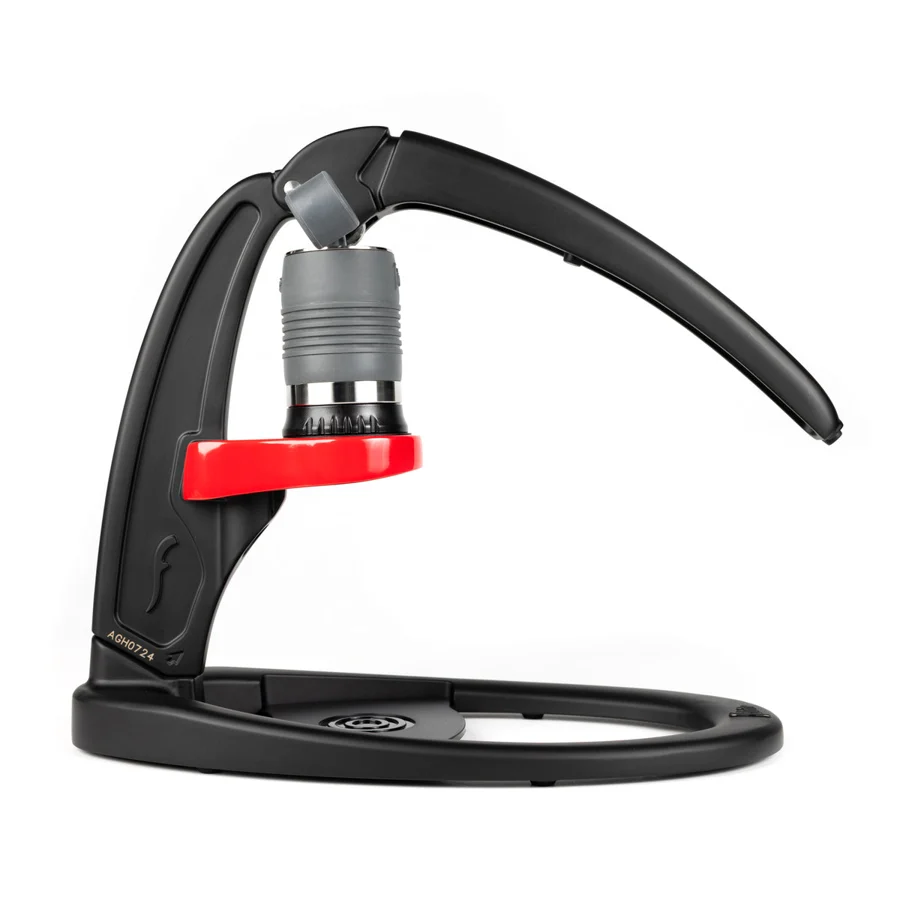
For hands-on espresso without an electric pump.
You supply hot water and apply pressure through a lever. The Flair Classic is an example: a compact route into espresso that puts preparation and the pressure you apply at the center of the process.
Budget for a suitable espresso grinder and a way to heat water. Compare the exact brew head, basket, gauge and accessories included in the listing. Check the preheating and cleaning routine before choosing.
Flair brewer guidance ↗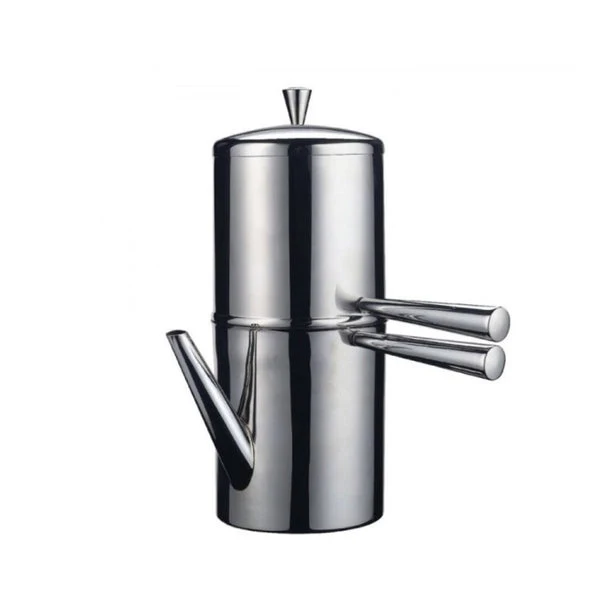
A slower Italian brewing ritual.
Also called a cuccumella, this brewer is heated, then carefully turned over so water drains through the coffee into the serving chamber. It uses gravity after the flip, rather than the pressure-driven flow of a moka pot.
Check the material, stove compatibility, handle security and serving capacity. Follow the maker’s turning procedure: the assembled pot contains very hot water. ILSA specifies a coarser grind than for a moka pot.
ILSA product and brewing guidance ↗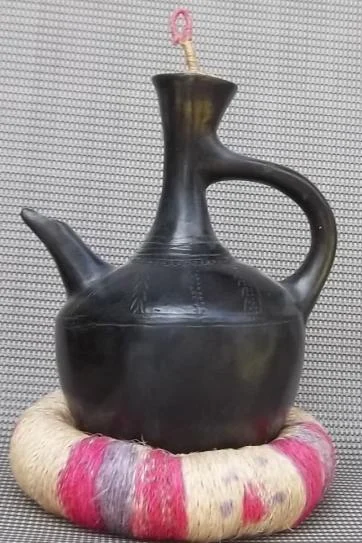
Explore Ethiopian coffee ceremony traditions.
A rounded clay vessel with a narrow neck, the jebena is used to brew coffee in Ethiopian coffee ceremonies. Its shape, serving ritual and pottery construction make it quite different from a metal cezve.
Buy a pot explicitly intended for brewing and food contact, rather than decoration. Ask about the permitted heat source, seasoning and cleaning. Check whether a supporting stand is included; follow the pot maker’s care instructions.
Smithsonian coffee ceremony collection ↗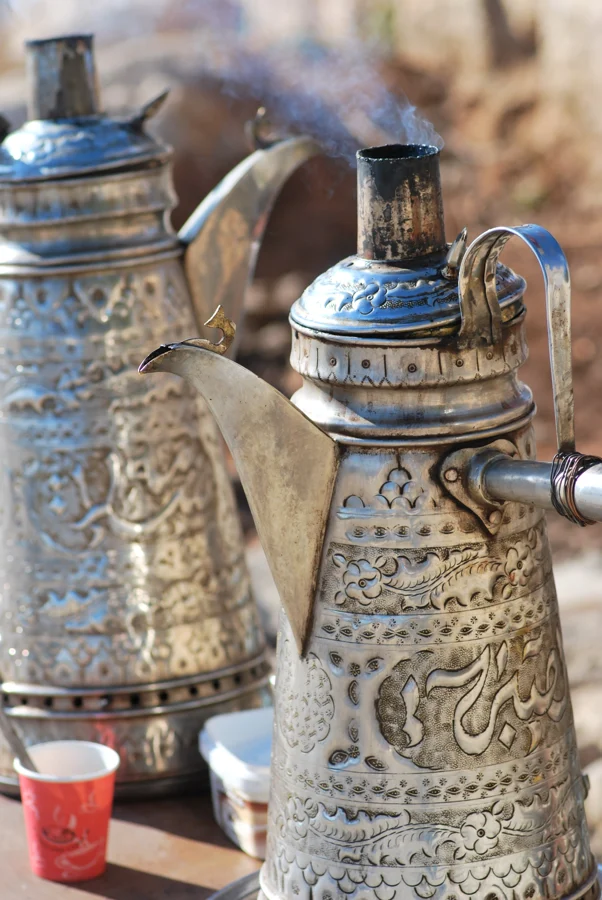
Bring the serving ritual to your Arabic coffee.
A dallah is a traditional vessel for serving Arabic coffee. Visit Qatar describes brewing the spiced coffee first, then transferring it into the dallah to serve. It is a way to explore coffee hospitality as well as equipment.
Distinguish a stovetop pot, insulated serving flask and decorative piece. Confirm food-safe construction, usable capacity and cleaning access. Never assume a serving flask can go on a burner.
Visit Qatar coffee traditions ↗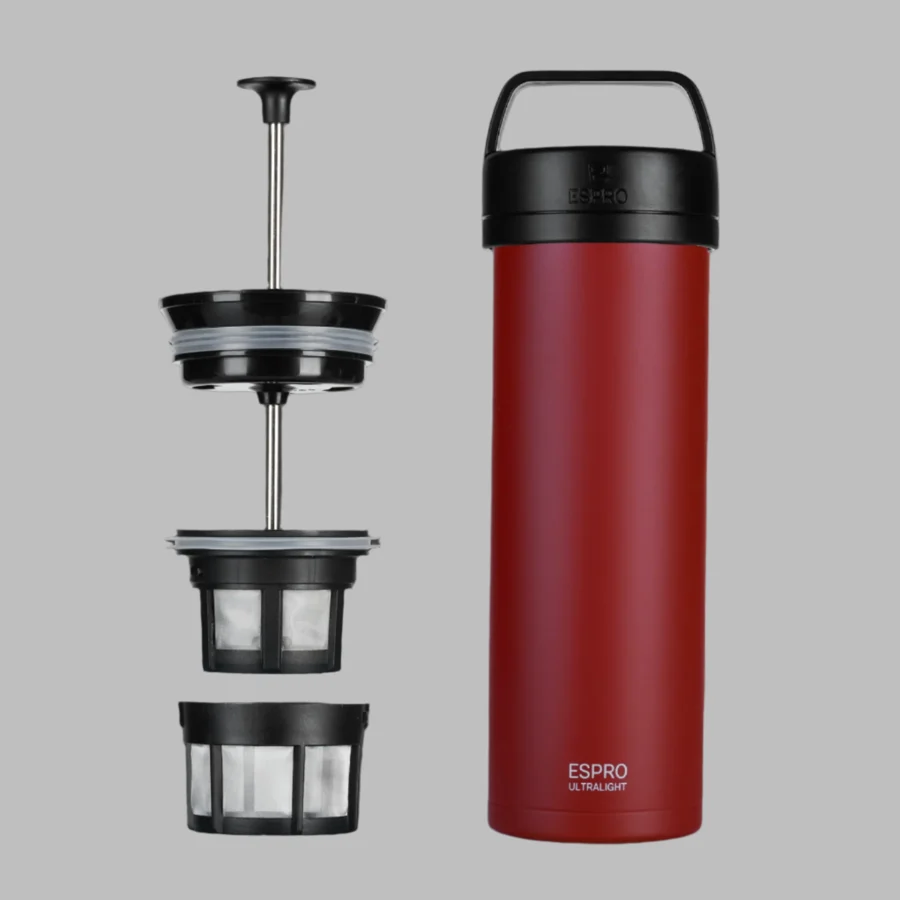
Brew a cup when you are away from your kitchen.
ESPRO’s travel presses combine a drinking vessel with a plunger and two nested micro-filters. They offer a portable take on immersion brewing, with filters that separate for cleaning.
Compare brewed-coffee capacity with total bottle capacity: they are not the same. Check the lid, replacement filters and washing instructions for the exact model. Bring separately heated water and never force a clogged plunger.
ESPRO filter and travel-press guidance ↗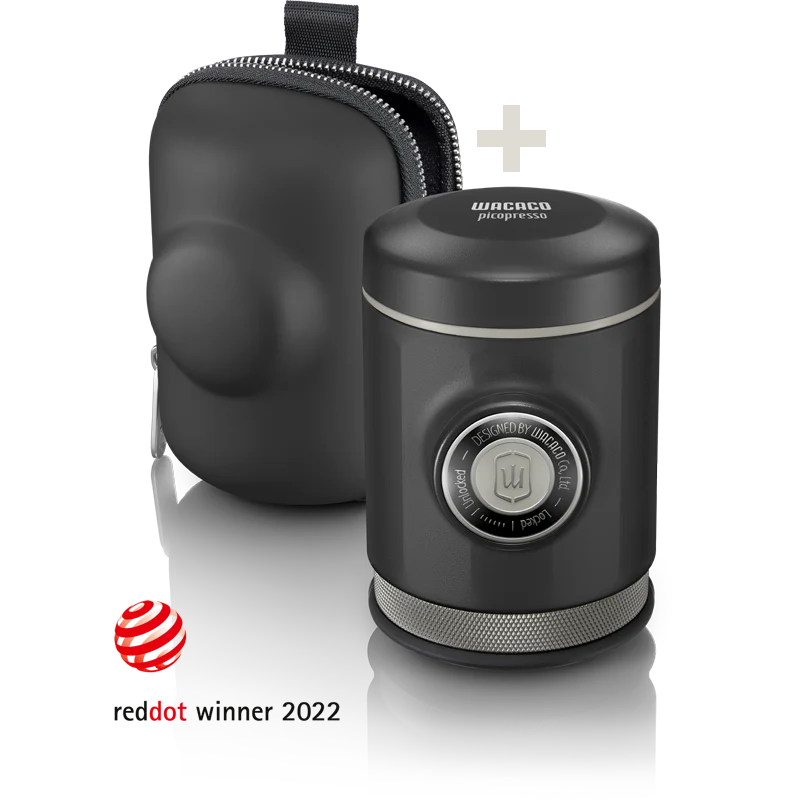
Hand-pumped espresso that fits in a travel kit.
This compact brewer uses a hand-operated piston and a non-pressurized coffee basket. Unlike a countertop lever machine, you hold and pump the brewer yourself.
It does not heat water. Plan for separately heated water, an espresso-capable grinder and careful preparation. Check the included basket and accessories and the seller’s warranty arrangements.
Wacaco product guidance ↗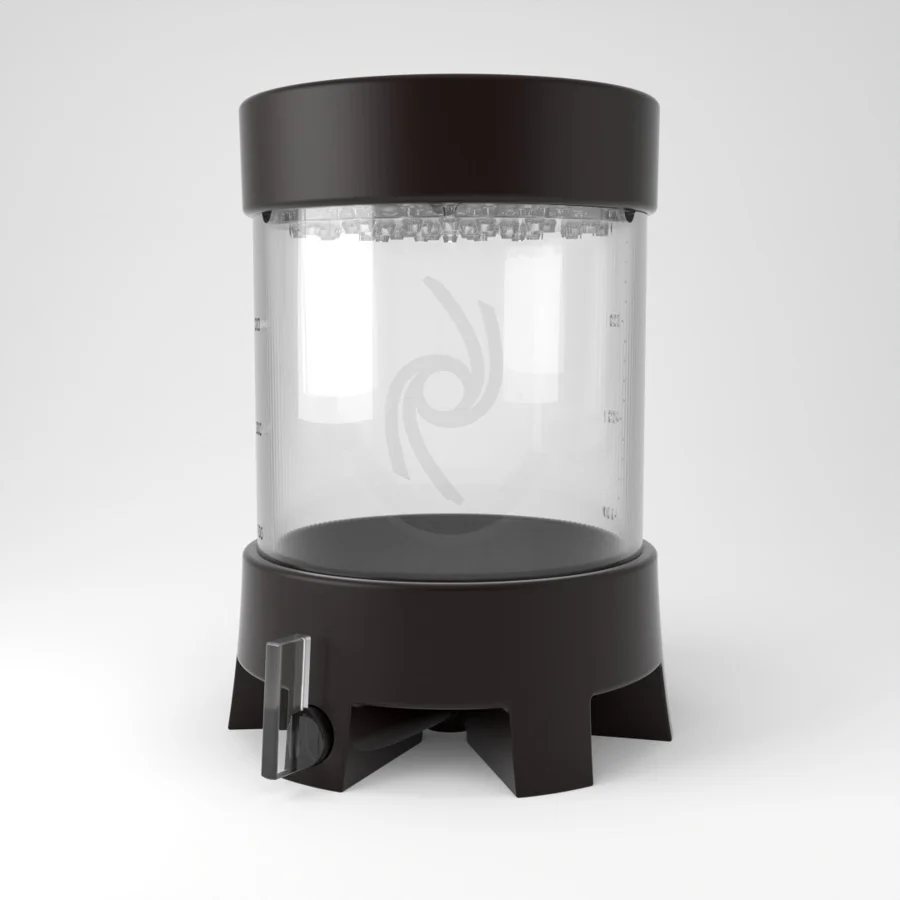
For experimenting with how water moves through coffee.
The Pulsar combines a flow-control valve with a no-bypass design, intended to direct brewing water through the coffee bed rather than around it. You can explore steeping and percolation in the same brewer.
Check the required paper filters, batch-size guidance and replacement parts. Follow the maker’s recipes as a starting point; a new brewer does not remove the need to adjust grind size. Amazon search results may include alternatives.
NextLevel product guidance ↗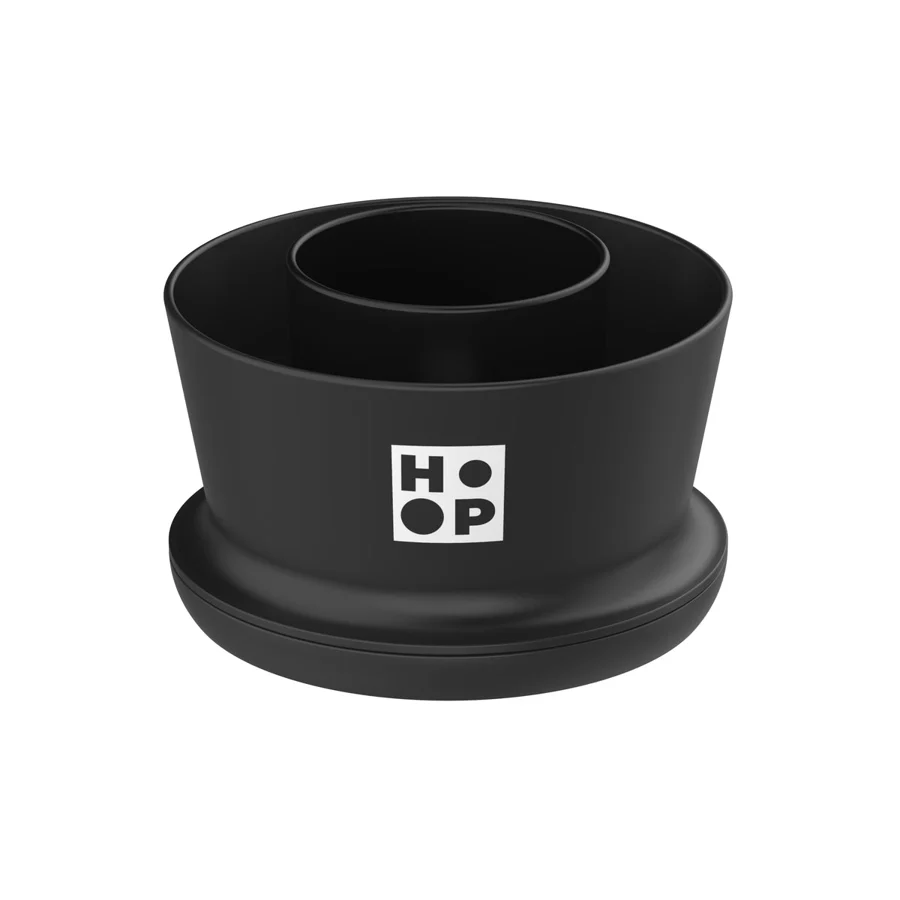
A different approach to filling a coffee dripper.
Water enters through an outer ring around the central coffee chamber. This radial-infusion design offers a different pouring routine from a conventional cone dripper.
Check the filter size, cup support and cleaning instructions. Use the manufacturer’s dose and water guidance to get started. Compare the exact brewer in the listing, as an Amazon search may show other products.
Ceado product guidance ↗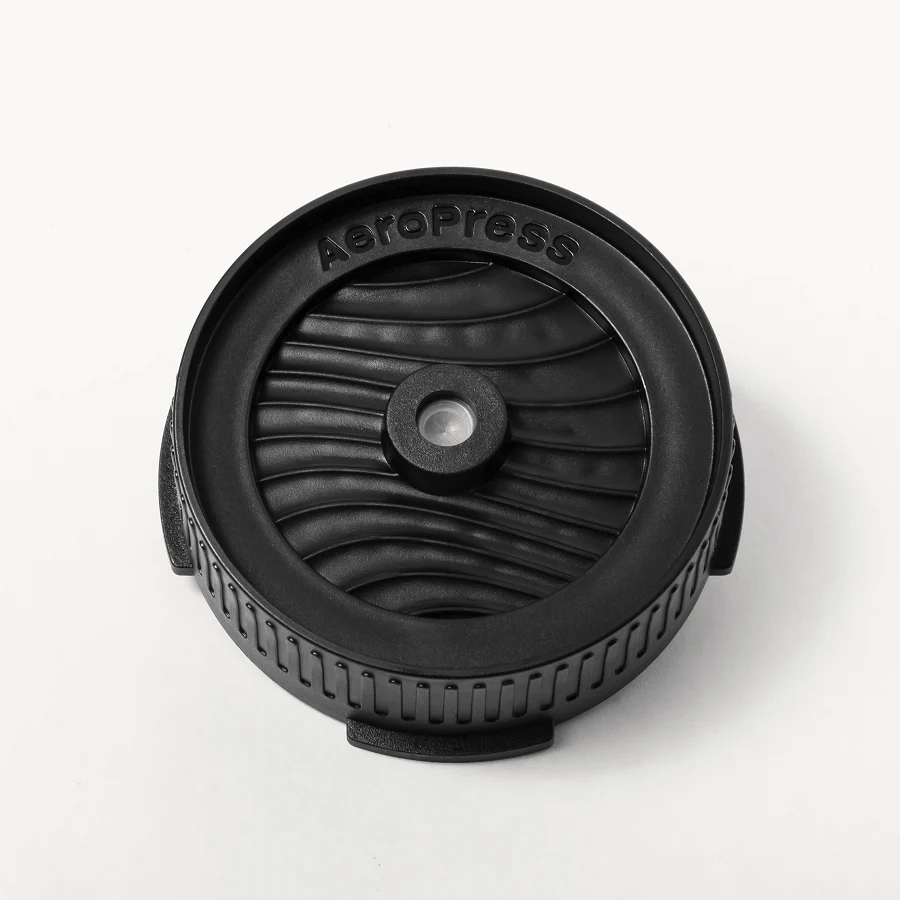
An experiment for the AeroPress you already own.
This accessory uses a pressure-actuated valve to hold back dripping until you press. It gives you another way to explore steeping time with an existing compatible AeroPress.
The cap is an accessory, not a complete brewer. Match its size to your AeroPress: the standard cap does not fit XL brewers. Check which paper or metal filter you need and follow the fitting and pressing instructions.
AeroPress compatibility guidance ↗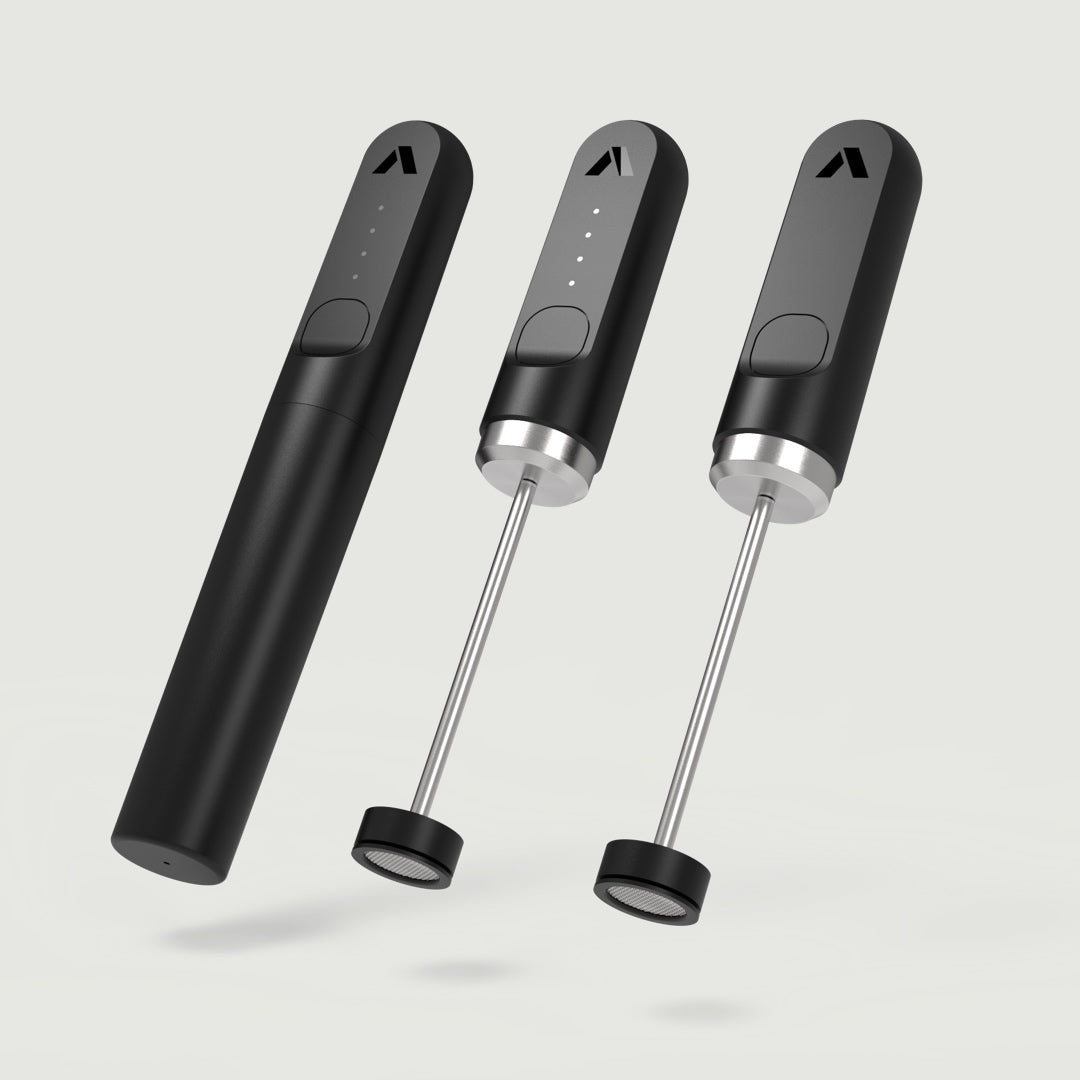
Practice milk texture without a steam wand.
This handheld tool uses a fine screen to create microfoam in milk. It is a useful companion to manual espresso brewers that have no built-in steaming system.
The handheld NanoFoamer does not heat milk: warm it separately when making hot drinks. Compare battery and rechargeable models, included screens, and cleaning instructions. Results depend on technique and the milk you choose.
Subminimal product guidance ↗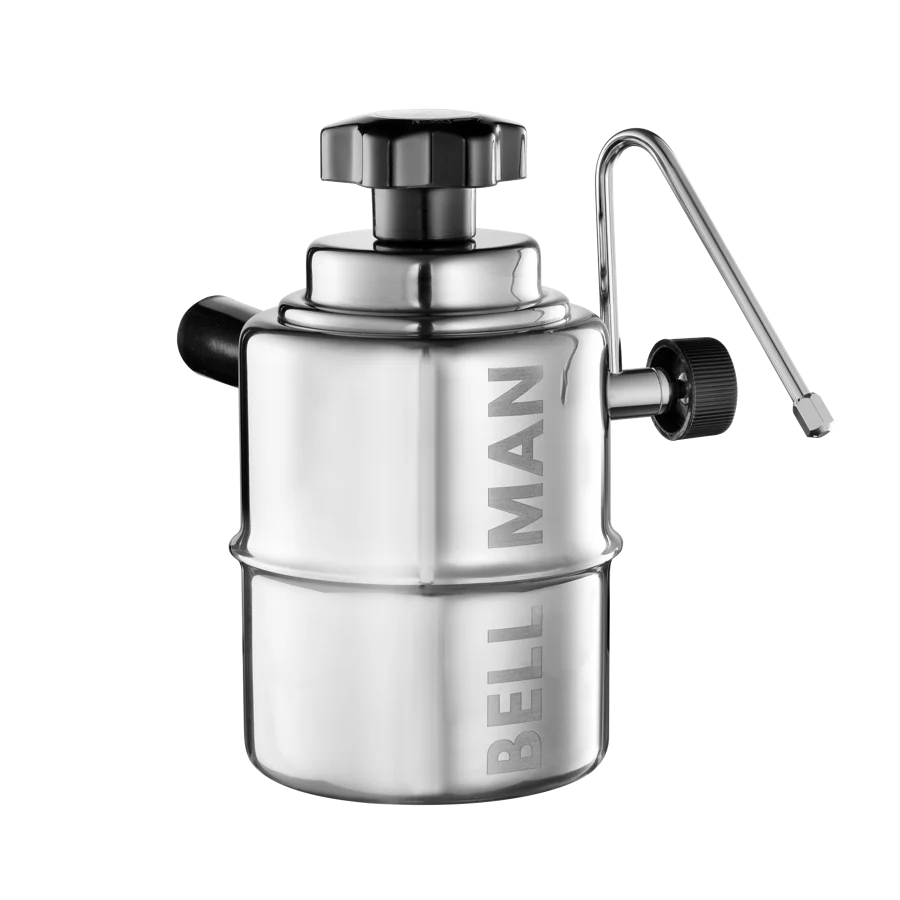
A separate steam wand for your manual coffee setup.
The CX25-S is the steam-only member of the Bellman range. It generates steam from water heated on a compatible stove, letting you texture milk without an electric espresso machine.
Check the exact model and stove compatibility. This is a pressurized hot-water vessel: follow its filling, heating, pressure-release and cooling instructions. Do not open it while pressurized. Compare spare seals and service support.
Bellman product guidance ↗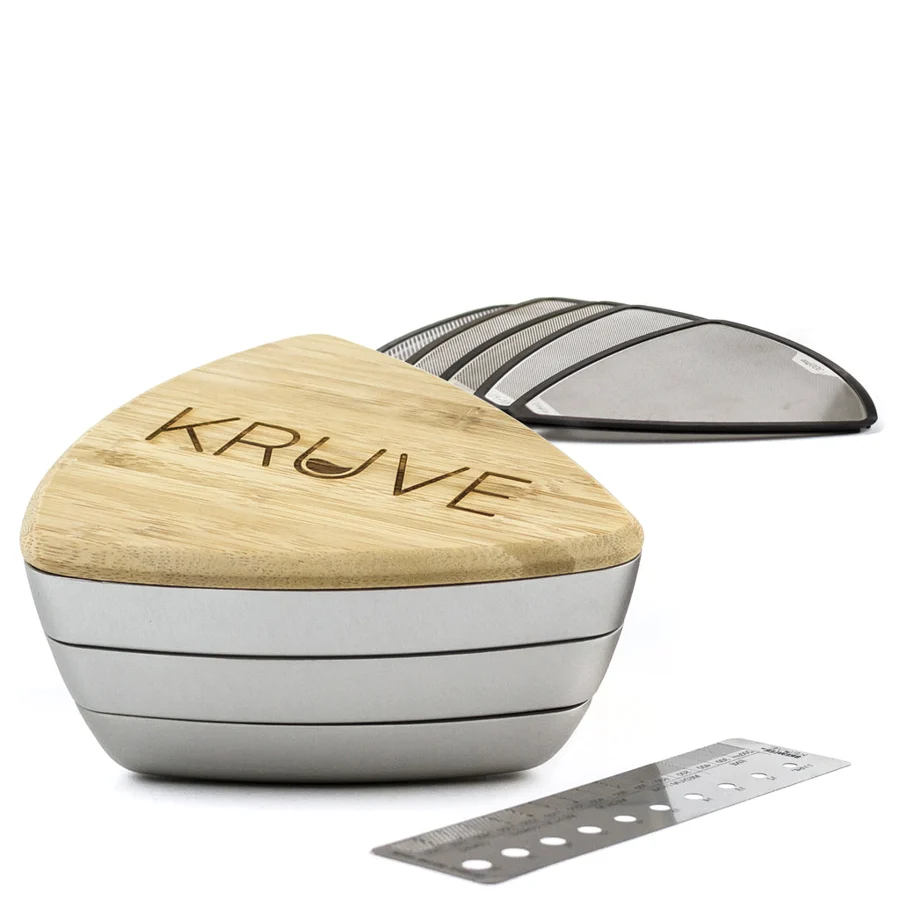
See how your grinder distributes particle sizes.
Interchangeable sieves separate grounds by size. A sifter can make grinder comparisons and controlled brewing experiments more tangible for curious home brewers or instructors.
Check which sieve sizes and body parts are included: some listings sell only replacement sieves. Allow for the coffee removed during sifting and the extra cleanup. This is an optional experiment, not a requirement for a good cup.
KRUVE product guidance ↗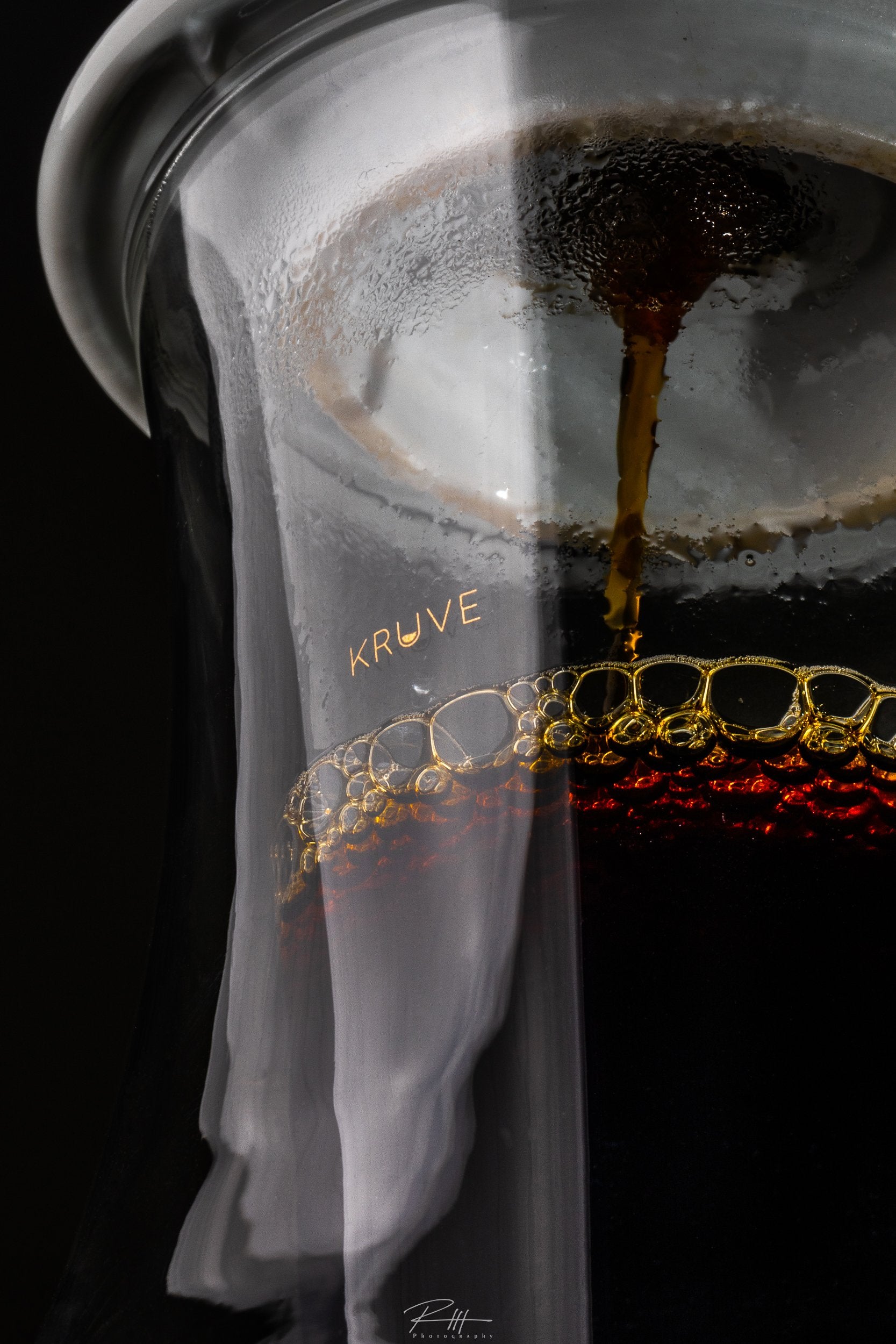
Compare the same coffee in different cup shapes.
The paired EXCITE and INSPIRE glass shapes offer a way to explore aroma and the drinking experience. Use the same coffee, amount and temperature in each glass, then compare your own impressions.
Check the exact glasses included, their capacity and care instructions. Treat flavor-enhancement descriptions as the manufacturer’s claims, not a guaranteed result. Ordinary cups can also be used for tasting practice.
KRUVE sensory guide ↗No. The recipe’s brewing method and quantities matter more than a brand. A compatible brewer you already own may be all you need.
Models, sellers, bundles and prices change. Compare the exact model, included accessories, return terms and local warranty on Amazon before buying.
These shopping links open Amazon.com. Check the voltage, plug, warranty and local availability for your country. A plug adapter alone does not change voltage.
Core equipment reviewed 9 October 2026; distinctive equipment reviewed 13–14 October 2026. Model links inside “Check before buying” show our sources. Category guides are general buying guidance. No purchase is needed to read, make or share a recipe using equipment you already have.
Find your next recipeCompare commercial machines around $5,000, $10,000 and $18,000: what changes, what matters during a rush, and what to include in your budget.
Read the commercial machine comparison →